In freelancing, education refers to the process of acquiring knowledge and skills. It's a key tool for building your career and staying competitive.
What is Education?
For freelancers, education is the structured acquisition of knowledge and skills. It includes formal paths like university degrees and professional certifications. It also encompasses informal learning, such as online courses, tutorials, and hands-on project experience.
Why is this important?
Education builds your credibility and expertise, making you more attractive to clients. It allows you to command higher rates and tackle more complex projects. Continuous learning is essential to keep your skills relevant in a fast-changing market.
How does it work?
You can pursue education through various channels. Formal options include degrees from accredited institutions. Informal routes are vast, including online course platforms, industry workshops, professional certifications, and self-study via books and tutorials.
Pros and cons
The pros are clear: increased credibility, higher earning potential, and access to better projects. The cons include the time and financial investment required, and the fact that practical experience often carries equal or greater weight with clients.
Conclusion
Education is a powerful asset for any freelancer. It's not just about formal qualifications but a commitment to lifelong learning. By continuously upgrading your skills, you future-proof your career and unlock new opportunities.
Ready to freelance?
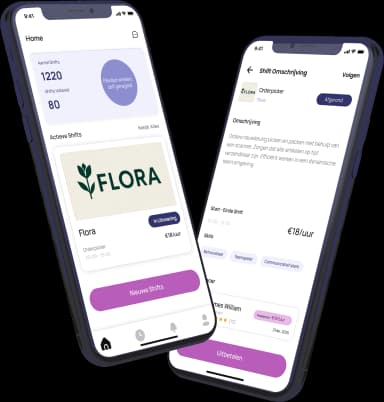
Download the HFS Freelancers app and discover flexible shifts in your area. Or explore more terms in our knowledge base.