Digital products are intangible goods you create once and sell repeatedly online. For freelancers, they represent a powerful way to diversify income beyond client services.
What is Digital products?
Digital products are intangible items delivered electronically. Common examples include e-books, online courses, software, templates, stock media, and downloadable guides. Unlike physical goods, they require no inventory or shipping, existing purely as digital files.
Why is this important?
For freelancers, digital products create scalable, passive income. They allow you to earn money while you sleep, breaking the direct link between time and revenue. This diversifies your business model and can provide financial stability between client projects.
How does it work?
You create a valuable digital asset based on your expertise. You then sell it via your own website, a marketplace, or social media. After a customer purchases, they receive instant access to download the file or access the content online.
Pros and cons
Key advantages include high profit margins, scalability, and location independence. The main challenges are upfront creation time, potential market saturation, and the need for effective marketing to drive sales consistently.
Conclusion
Digital products offer a strategic path for freelancers to build asset-based income. By packaging your knowledge into a sellable format, you can create a more resilient and scalable freelance business. Start by identifying a specific problem your skills can solve.
Ready to freelance?
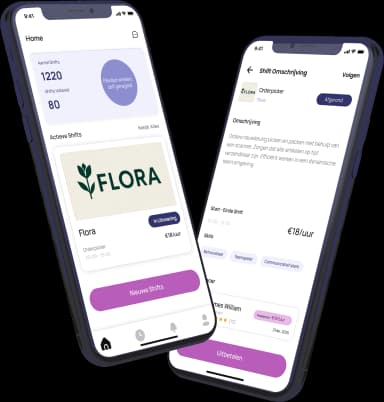
Download the HFS Freelancers app and discover flexible shifts in your area. Or explore more terms in our knowledge base.