In freelancing, delivery is the final step where you hand over the completed work to your client. It's more than just sending a file; it's a formal conclusion to the project agreement.
What is Delivery?
Delivery is the act of providing the final, approved work product to your client. It marks the official completion of your contractual obligations for a specific project or milestone. This can be a digital file, access to a system, or physical goods.
Why is this important?
A smooth delivery is crucial for your reputation and payment. It's the moment you prove you've met the brief, which triggers final invoicing. A professional handover builds trust and increases the chance of repeat business and positive reviews.
How does it work?
Delivery typically follows a defined process. You submit the final work via the agreed channel, such as a project management tool or email. Often, you'll include a summary of what was delivered and any instructions for the client. This formal step usually starts the final payment period.
Pros and cons
The main benefits are securing payment, closing the project loop, and demonstrating professionalism. Potential downsides include scope creep if delivery isn't clearly defined, or disputes if the client's expectations weren't fully aligned with the final output.
Conclusion
Mastering delivery is a core freelance skill. It ensures you get paid for your work and leaves a lasting positive impression. Always define delivery terms clearly in your contract or agreement to avoid misunderstandings.
Ready to freelance?
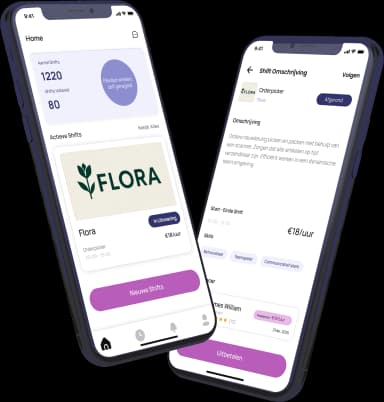
Download the HFS Freelancers app and discover flexible shifts in your area. Or explore more terms in our knowledge base.