In freelancing, a declaration is a formal statement you make, often in writing. It serves as an official record for various professional and legal purposes.
What is Declaration?
A declaration is a formal, written statement you affirm to be true. In freelancing, it can cover your income, project deliverables, or compliance with specific terms. It acts as a legally recognized document that states facts under your responsibility.
Why is this important?
Declarations provide clarity and legal protection for both you and your client. They are often required for tax filings, proving your independent contractor status, or formally outlining project scope and completion. A clear declaration prevents misunderstandings.
How does it work?
You typically draft a declaration document stating specific facts, like your earnings or work performed. You then sign and date it, sometimes before a witness or notary. Clients or authorities may request it via platforms or direct contracts.
Pros and cons
Key benefits include establishing a clear record and fulfilling legal obligations. However, the main drawback is that you are legally accountable for its accuracy. Inaccuracies can lead to contractual disputes or legal penalties.
Conclusion
A well-crafted declaration is a vital tool for professional freelancing. It formalizes your statements and protects your business interests. Always ensure any declaration you sign is accurate and reflects the true agreement.
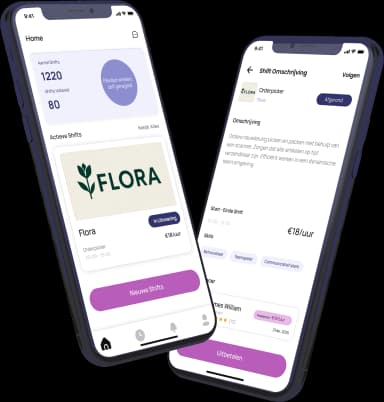
Ready to freelance?
Download the HFS Freelancers app and discover flexible shifts in your area. Or explore more terms in our knowledge base.