DBA regulation, or 'Doing Business As' regulation, is a legal process that allows you to operate your freelance business under a name different from your personal legal name.
What is DBA regulation?
DBA stands for 'Doing Business As.' It's a legal registration, sometimes called a fictitious or trade name filing. This regulation allows you, as a sole proprietor, to conduct business, open bank accounts, and receive payments under a chosen business name instead of your personal name.
Why is this important?
It's crucial for professionalism and legal compliance. Using a DBA lets you brand your services, appear more established to clients, and is often required to open a dedicated business bank account. Operating under an unregistered name can lead to fines and legal issues.
How does it work?
The process is handled at the county or state level, depending on your location. You typically file a form and pay a fee to register your chosen business name. This makes the name a matter of public record and prevents others in your area from using the same name.
Pros and cons
Key pros include enhanced branding, professionalism, and easier banking. The main cons are the registration cost, the need to renew the filing periodically, and that a DBA does not create a separate legal entity to protect your personal assets from business liabilities.
Conclusion
DBA regulation is a foundational step for freelancers building a brand. It's a simple, cost-effective way to operate professionally under a business name. Always check your local government's requirements to ensure you are fully compliant.
Ready to freelance?
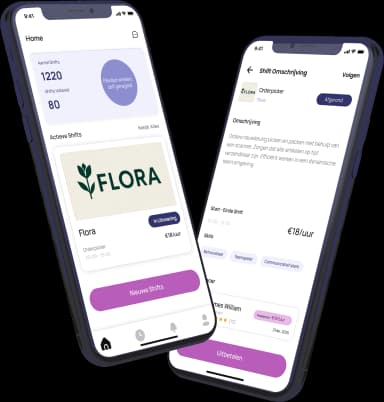
Download the HFS Freelancers app and discover flexible shifts in your area. Or explore more terms in our knowledge base.