A day laborer is a worker hired for a single day or a very short-term task. In freelancing, this model represents one end of the project duration spectrum.
What is Day laborer?
A day laborer is an independent worker hired for a specific, short-duration job, often just for one day. Payment is typically made immediately upon completion of the work. This term is common in physical trades but applies to digital freelancing for quick tasks.
Why is this important?
Understanding this model helps you navigate different types of freelance engagements. It represents pure, project-based work with no long-term commitment. Knowing this helps you price your services and manage your workflow for one-off jobs.
How does it work?
A client needs a specific task completed quickly. You agree on a scope and a fixed rate for the day's work. After you finish the job, you invoice for payment, often receiving it the same day.
Pros and cons
The main pros are immediate payment, high flexibility, and minimal commitment. The cons include income instability, constant client hunting, and a lack of benefits or long-term security that comes with retainer contracts.
Conclusion
The day laborer model is a fundamental part of the gig economy. It offers ultimate flexibility for freelancers who prefer variety and immediate pay. However, it requires strong self-discipline to manage the inconsistent workflow and income.
Ready to freelance?
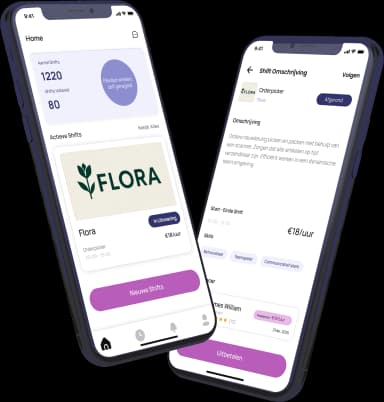
Download the HFS Freelancers app and discover flexible shifts in your area. Or explore more terms in our knowledge base.