Data entry is a fundamental administrative task where you transfer information from one format to another. For freelancers, it's often a gateway to consistent remote work.
What is Data entry?
Data entry is the process of inputting, updating, or managing information in a digital system. You take raw data from sources like paper forms or audio files and enter it into databases, spreadsheets, or other software. It's a core task for organizing and digitizing information.
Why is this important?
For freelancers, data entry provides accessible, flexible work that can be done remotely. It's crucial for businesses that need accurate digital records but lack in-house staff. Mastering it builds a reputation for reliability and attention to detail, which can lead to more complex projects.
How does it work?
You typically receive source material and specific instructions from a client. Using software like spreadsheets or CRM systems, you manually input the data. The work is often measured by keystrokes per hour or the volume of records processed. Payment is usually project-based or hourly.
Pros and cons
The pros include low barriers to entry, flexible hours, and remote work. The cons can involve repetitive tasks, tight deadlines, and sometimes lower pay rates. To succeed, focus on speed with accuracy, use tools to automate simple tasks, and clearly communicate your capacity.
Conclusion
Data entry is a foundational freelance skill that offers a steady stream of work. By delivering accurate results efficiently, you can build a strong client base. It's a practical starting point for developing a broader administrative or virtual assistant career.
Ready to freelance?
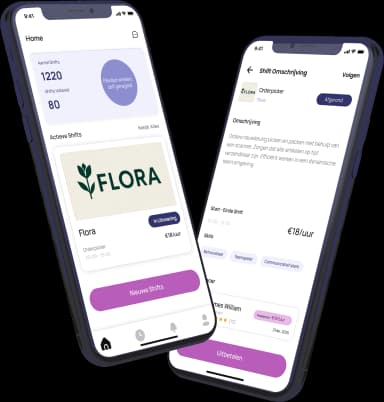
Download the HFS Freelancers app and discover flexible shifts in your area. Or explore more terms in our knowledge base.