Copyleft is a key concept in software licensing. It uses copyright law to ensure that software and its derivatives remain free and open for others to use and modify.
What is Copyleft?
Copyleft is a method for licensing software or creative work. It grants users the freedom to use, study, share, and modify the work. Crucially, it requires that any distributed derivative works carry these same freedoms. It's the opposite of restrictive copyright, promoting open collaboration.
Why is this important?
As a freelancer, you often use or build upon existing code. If that code uses a copyleft license like the GPL, your client's final product may also need to be open-sourced. Understanding this prevents legal issues and sets clear expectations with your clients about software ownership.
How does it work?
A creator releases work under a copyleft license, such as the GNU GPL. You can incorporate that work into your project. However, if you distribute your final product, you must also release its source code under the same copyleft terms. This creates a 'share-alike' chain of openness.
Pros and cons
The main pros are fostering innovation and community collaboration while ensuring software freedom. The cons include potential restrictions for commercial clients who want to keep code proprietary. For freelancers, it requires careful license compatibility checks before combining code from different sources.
Conclusion
Copyleft is a powerful tool for open-source development. As a freelancer, always check the licenses of any code you use or libraries you integrate. This protects you and your client, ensuring your project complies with all legal requirements from the start.
Ready to freelance?
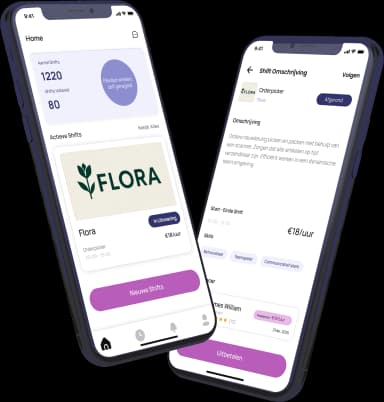
Download the HFS Freelancers app and discover flexible shifts in your area. Or explore more terms in our knowledge base.