Contract hours are a core part of freelance work. They refer to the specific hours you agree to work and bill for under a client contract.
What is Contract hours?
Contract hours are the agreed-upon number of hours you will work for a client, typically within a set period like a week or month. This is common in hourly-rate contracts where you get paid for the time you spend, not just for delivering a final product.
Why is this important?
It sets clear expectations for both you and your client on workload and budget. For you, it defines your income. For the client, it provides cost predictability. A clear agreement prevents disputes over billing and scope creep.
How does it work?
You and the client agree on a maximum number of hours per period and an hourly rate. You then track your time using apps or timesheets. You invoice for the hours worked, up to the agreed limit, unless you get prior approval for overtime.
Pros and cons
The pros include predictable income for routine tasks and payment for all work done. The cons are the potential income cap and the need for diligent time tracking. It can also discourage efficiency if you're paid purely for time spent.
Conclusion
Understanding contract hours is key to managing hourly freelance work. Clear agreements and accurate tracking protect both you and your client. It's a straightforward model that works well for ongoing or unpredictable tasks.
Ready to freelance?
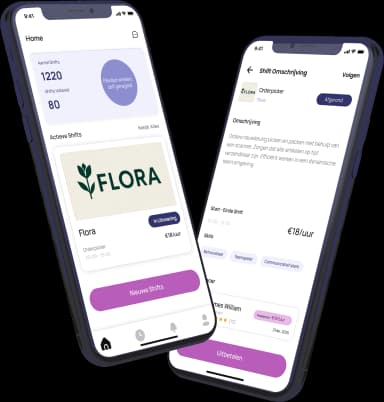
Download the HFS Freelancers app and discover flexible shifts in your area. Or explore more terms in our knowledge base.