Compromise is a core skill in freelancing. It involves finding a mutually acceptable middle ground between your needs and a client's demands.
What is Compromise?
In freelancing, compromise is the act of finding a middle ground. You and a client adjust expectations to reach an agreement. It often involves scope, timeline, budget, or creative direction. It's not about losing, but about collaborative problem-solving.
Why is this important?
Compromise is vital for securing and maintaining projects. Sticking rigidly to your terms can lose you work. Finding a fair middle ground builds trust and fosters long-term client relationships. It shows you're flexible and solution-oriented.
How does it work?
It starts with clear communication. You listen to the client's needs and explain your constraints. Then, you propose alternatives. For example, you might adjust a deadline if the budget increases, or reduce project scope to meet a tight budget.
Pros and cons
The pros include winning more work, building better relationships, and demonstrating professionalism. The cons involve potential scope creep, reduced profitability, or compromising your values if not managed carefully. Know your non-negotiables.
Conclusion
Strategic compromise is a business skill, not a weakness. Use it to close deals and build partnerships. Always ensure the final agreement remains fair and sustainable for your freelance business.
Ready to freelance?
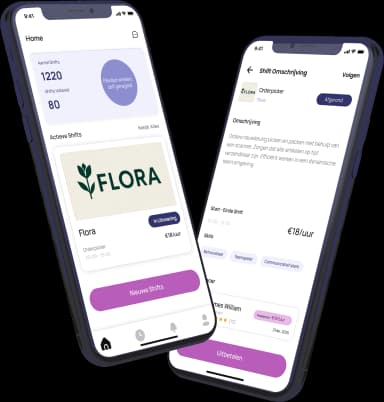
Download the HFS Freelancers app and discover flexible shifts in your area. Or explore more terms in our knowledge base.