Client onboarding is the critical first phase of any freelance project. It's how you transition from a signed agreement to productive, collaborative work.
What is Client onboarding?
Client onboarding is the structured process you use to welcome a new client and integrate them into your workflow. It involves collecting necessary information, setting clear expectations, and establishing communication protocols. Think of it as the official project kickoff that moves you from agreement to action.
Why is this important?
A smooth onboarding builds trust and professionalism from day one. It prevents misunderstandings by aligning goals and processes upfront. This foundation reduces scope creep, improves communication efficiency, and significantly increases the chance of project success and client satisfaction.
How does it work?
The process typically starts after a contract is signed. You might send a welcome packet, schedule a kickoff meeting, and share access to shared tools. Key steps include confirming project scope, deadlines, key contacts, and preferred communication channels to ensure everyone is on the same page.
Pros and cons
The pros are clear: better client relationships, fewer revisions, and a more efficient workflow. The main con is the initial time investment required to set it up. However, this upfront work saves considerable time later by preventing confusion and misaligned expectations.
Conclusion
Client onboarding is a non-negotiable best practice for professional freelancers. It transforms a new client into a productive partner. Investing in this process pays off through smoother projects and more successful long-term collaborations.
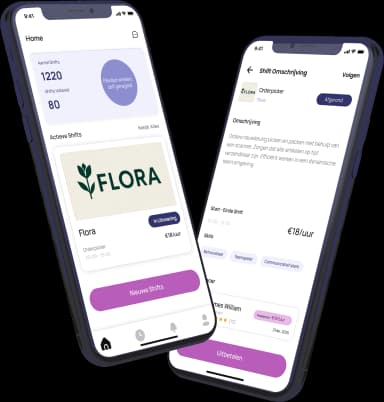
Ready to freelance?
Download the HFS Freelancers app and discover flexible shifts in your area. Or explore more terms in our knowledge base.