Certifications are official documents that validate your skills or knowledge in a specific field. For freelancers, they act as a key trust signal to potential clients.
What is Certifications?
A certification is a formal credential awarded by an authoritative body. It proves you have met defined standards of knowledge, skill, or practice in a professional area. Think of it as an external stamp of approval for your expertise.
Why is this important?
Certifications help you stand out in a crowded market. They provide third-party validation of your skills, which builds instant credibility with clients who may not know you. This can justify higher rates and help you win competitive projects.
How does it work?
You typically earn a certification by completing a course and passing an exam. Once obtained, you can display the credential on your profile, website, and portfolio. You may need to renew it periodically through continuing education.
Pros and cons
Key benefits include increased trust, market differentiation, and potential for higher pay. Drawbacks can be the cost, time investment, and the fact that experience often outweighs a certificate alone. Focus on credentials valued in your niche.
Conclusion
Certifications are a powerful tool for building your freelance authority. They are not a substitute for a strong portfolio, but they effectively complement your proven experience. Choose credentials that align with your career goals and client demands.
Ready to freelance?
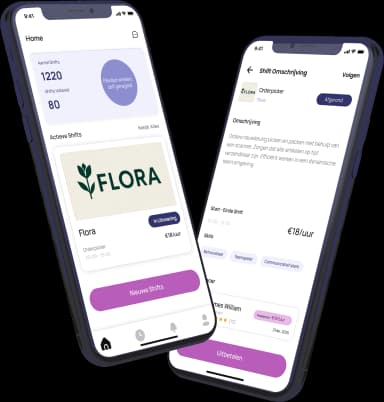
Download the HFS Freelancers app and discover flexible shifts in your area. Or explore more terms in our knowledge base.