Bartering is the age-old practice of trading goods or services directly, without using money. For freelancers, it can be a strategic way to grow your business.
What is Bartering?
Bartering is a direct trade where you exchange your professional services for someone else's. Instead of paying cash, you offer your skills, like web design, in return for another service you need, such as accounting help. It's a transaction based on mutual need and agreed value.
Why is this important?
For freelancers, bartering can conserve cash, which is often tight. It allows you to access essential services like marketing or legal advice that you might not otherwise afford. It's also a powerful networking tool that can build strong, collaborative business relationships.
How does it work?
It starts by finding another professional with a complementary need. You agree on the scope and value of each service to ensure a fair trade. It's crucial to define deliverables, timelines, and terms in a simple written agreement to avoid misunderstandings later.
Pros and cons
The main advantages are saving money and building partnerships. However, challenges include valuing services fairly, potential tax implications, and the risk of one party not delivering. It works best with clear agreements and trusted contacts.
Conclusion
Bartering can be a smart financial strategy for freelancers when done carefully. Always clarify terms and treat the exchange with the same professionalism as a paid project. It's a tool best used selectively for mutual benefit.
Ready to freelance?
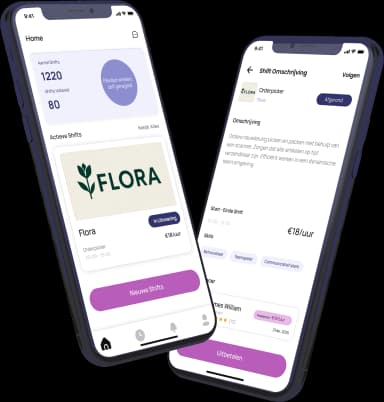
Download the HFS Freelancers app and discover flexible shifts in your area. Or explore more terms in our knowledge base.