Bank savings are funds you deposit in a financial institution for safekeeping and growth. For freelancers, they are a foundational tool for managing irregular income and building financial security.
What is Bank savings?
Bank savings refers to money you deposit into a savings account at a bank or credit union. This money is kept separate from your daily spending funds. Its primary purpose is to accumulate safely over time, often earning a small amount of interest.
Why is this important?
For freelancers, income can be unpredictable. A dedicated savings account acts as a financial buffer during slow periods, between client payments, or for unexpected expenses. It provides peace of mind and prevents you from dipping into essential business or personal funds.
How does it work?
You open a savings account and transfer money into it, typically from your checking account. The bank pays you interest on your balance, usually calculated monthly. You can access the funds, but federal rules may limit certain types of withdrawals or transfers per month.
Pros and cons
Key advantages include safety, as deposits are often government-insured, and the ease of separating emergency funds. The main drawbacks are typically low interest rates, which may not outpace inflation, and potential limits on withdrawals, making the money less liquid than a checking account.
Conclusion
Building bank savings is a non-negotiable first step in freelancer financial planning. It creates a stable foundation from which you can manage cash flow and invest in growth. Start small and contribute consistently to build your safety net.
Ready to freelance?
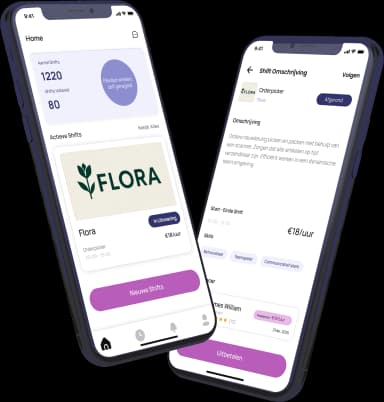
Download the HFS Freelancers app and discover flexible shifts in your area. Or explore more terms in our knowledge base.