Active income is the money you earn by performing work. For freelancers, it's the most common and direct way to get paid for your services.
What is Active income?
Active income is money you receive in exchange for direct effort and time. You trade your labor, skills, or expertise for payment. Common examples for freelancers include project fees, hourly rates, or retainers. It's the opposite of passive income, which earns money with little ongoing work.
Why is this important?
For freelancers, active income is your financial foundation. It's how you pay your bills and grow your business. Understanding it helps you price your services and manage cash flow. It directly links your effort to your earnings, making your time your most valuable asset.
How does it work?
You complete a task or provide a service for a client. Then you invoice them for your work, typically at an hourly rate or a fixed project price. Payment is received after the work is delivered. You can find these opportunities via platforms, networking, or direct outreach.
Pros and cons
The main advantages are direct control and predictable, immediate cash flow. The major downside is the time-for-money tradeoff; your income stops if you stop working. It can also lead to income instability during slow periods or between projects.
Conclusion
Active income is the engine of a freelance business. Mastering how to earn it efficiently is crucial for success. While it requires constant effort, it provides the direct rewards and client relationships that build a sustainable career.
Ready to freelance?
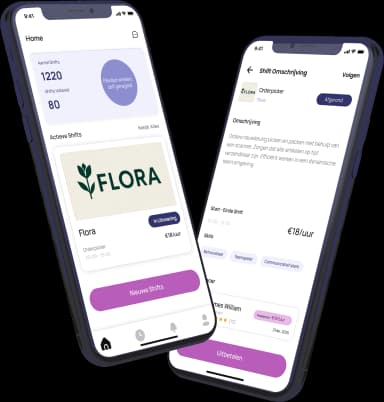
Download the HFS Freelancers app and discover flexible shifts in your area. Or explore more terms in our knowledge base.