Accessibility is the practice of making your digital products usable for people with a wide range of abilities. For freelancers, it's both an ethical practice and a marketable skill.
What is Accessibility?
In freelancing, accessibility means designing and developing digital content, like websites or documents, so everyone can use it. This includes people with visual, auditory, motor, or cognitive disabilities. It involves following guidelines to ensure your work is perceivable, operable, and understandable for all users.
Why is this important?
It's important for three main reasons. First, it's often a legal requirement. Second, it expands your potential client and user base significantly. Third, it demonstrates professional ethics and quality, making you a more attractive hire for clients who value inclusivity.
How does it work?
You implement accessibility by following established standards like the Web Content Accessibility Guidelines (WCAG). Practical steps include adding descriptive text to images for screen readers, ensuring sufficient color contrast, providing captions for videos, and making all functions usable with a keyboard.
Pros and cons
The pros are clear: you serve a wider audience, meet legal standards, and improve overall usability for everyone. The main con is that it requires an initial investment of time to learn and implement correctly. However, this investment pays off by setting you apart from competitors.
Conclusion
Mastering accessibility is no longer a niche skill but a core competency for modern freelancers. By building it into your workflow, you create better products, fulfill a social responsibility, and enhance your professional value in a competitive marketplace.
Ready to freelance?
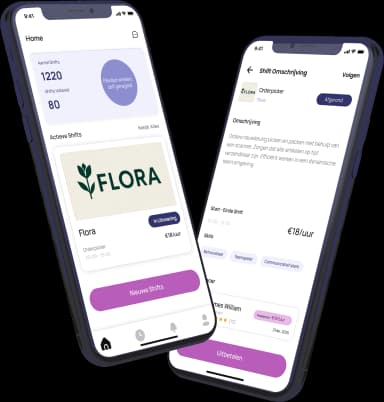
Download the HFS Freelancers app and discover flexible shifts in your area. Or explore more terms in our knowledge base.